Iron Maiden was formed in December 1975 in Leyton, East London, by bassist and primary songwriter Steve Harris. Inspired by progressive rock, punk energy, and heavy metal pioneers like Deep Purple and Black Sabbath, Harris envisioned a band that combined speed, melody, and storytelling.
The band became a central force in the New Wave of British Heavy Metal (NWOBHM), gaining attention through relentless live performances in London pubs such as the Cart & Horses. Early demos like The Soundhouse Tapes helped them build a loyal underground following.
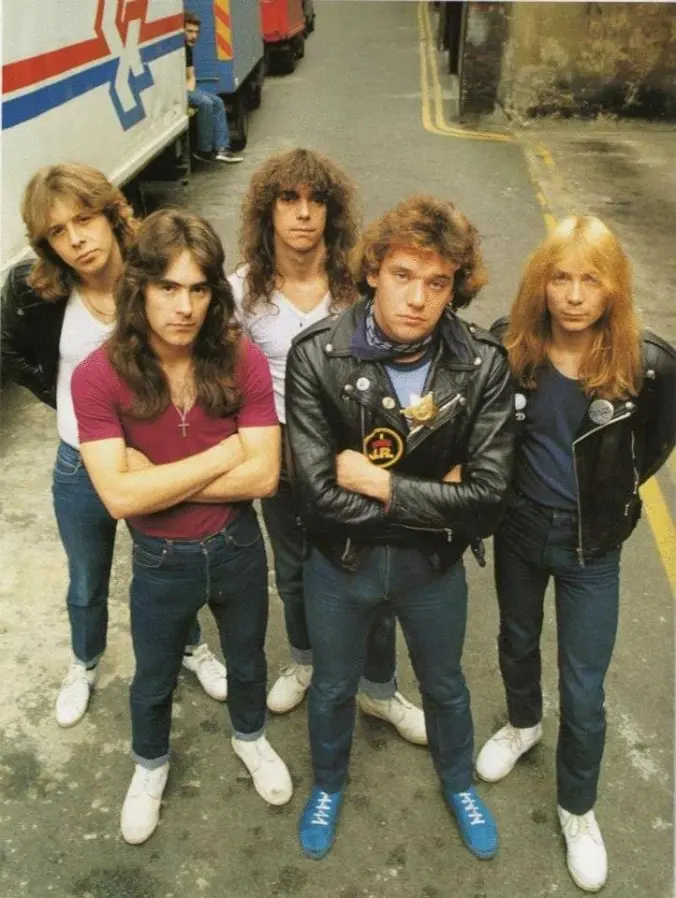
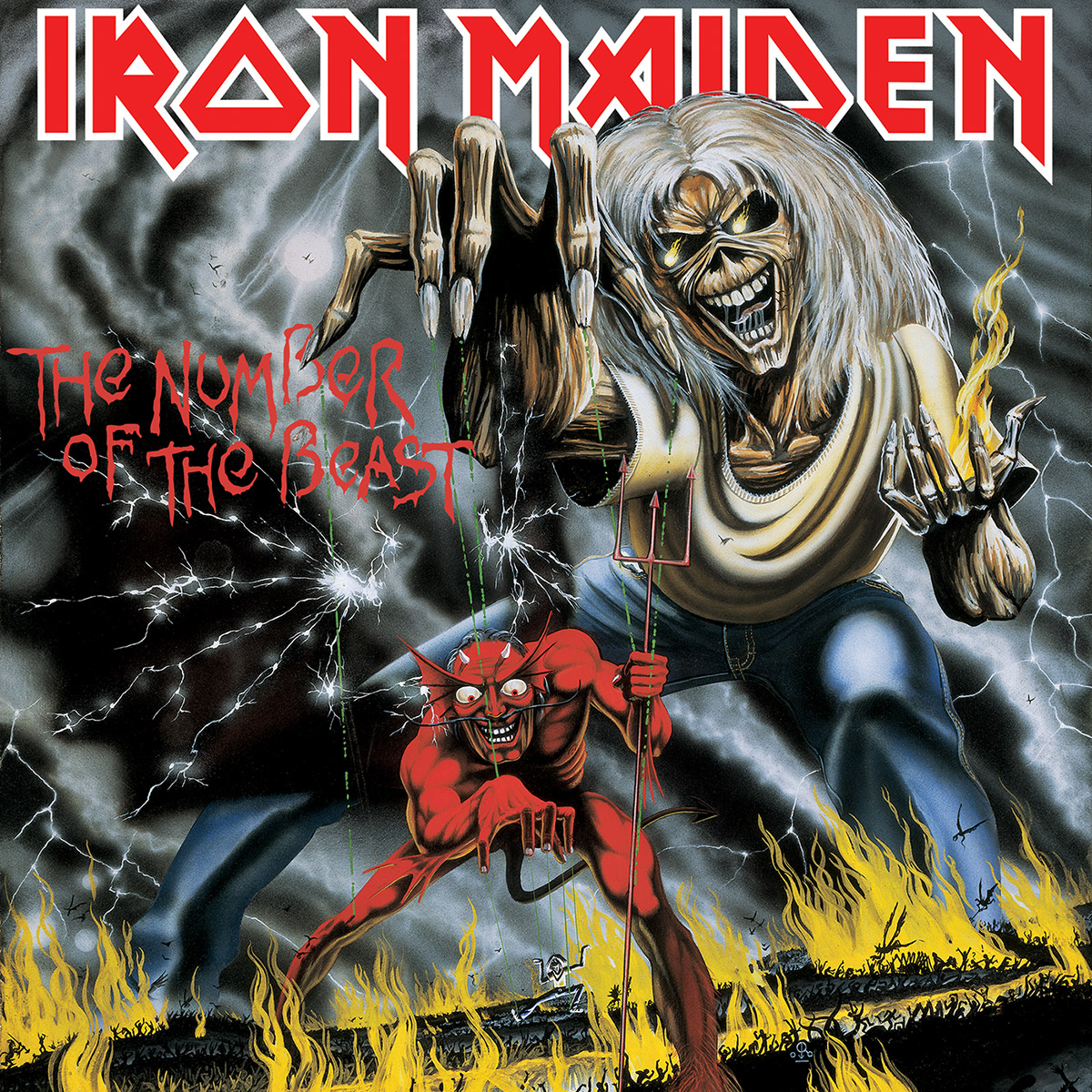
Iron Maiden released their self-titled debut album in 1980, followed by Killers in 1981. However, the arrival of vocalist Bruce Dickinson in 1981 marked a turning point in the band's history.
Albums such as The Number of the Beast, Piece of Mind, Powerslave, and Seventh Son of a Seventh Son propelled Iron Maiden to global stardom. Their theatrical stage shows, complex compositions, and iconic mascot Eddie became instantly recognizable worldwide.
The 1990s brought significant challenges. After the release of No Prayer for the Dying and Fear of the Dark, Bruce Dickinson left the band in 1993.
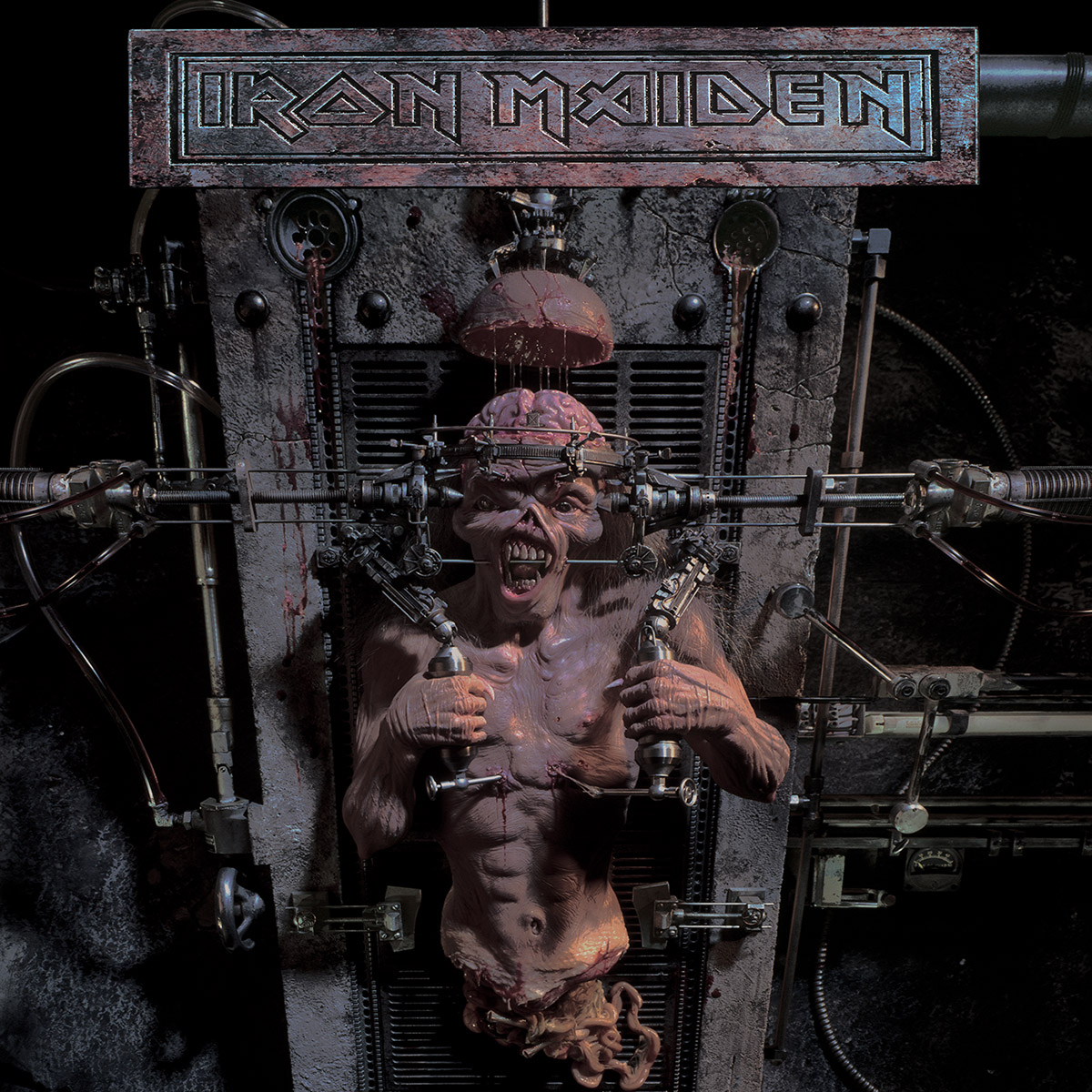
Vocalist Blaze Bayley took over, resulting in albums The X Factor and Virtual XI. While commercially less successful, this era showcased darker, more introspective songwriting and demonstrated the band's resilience.
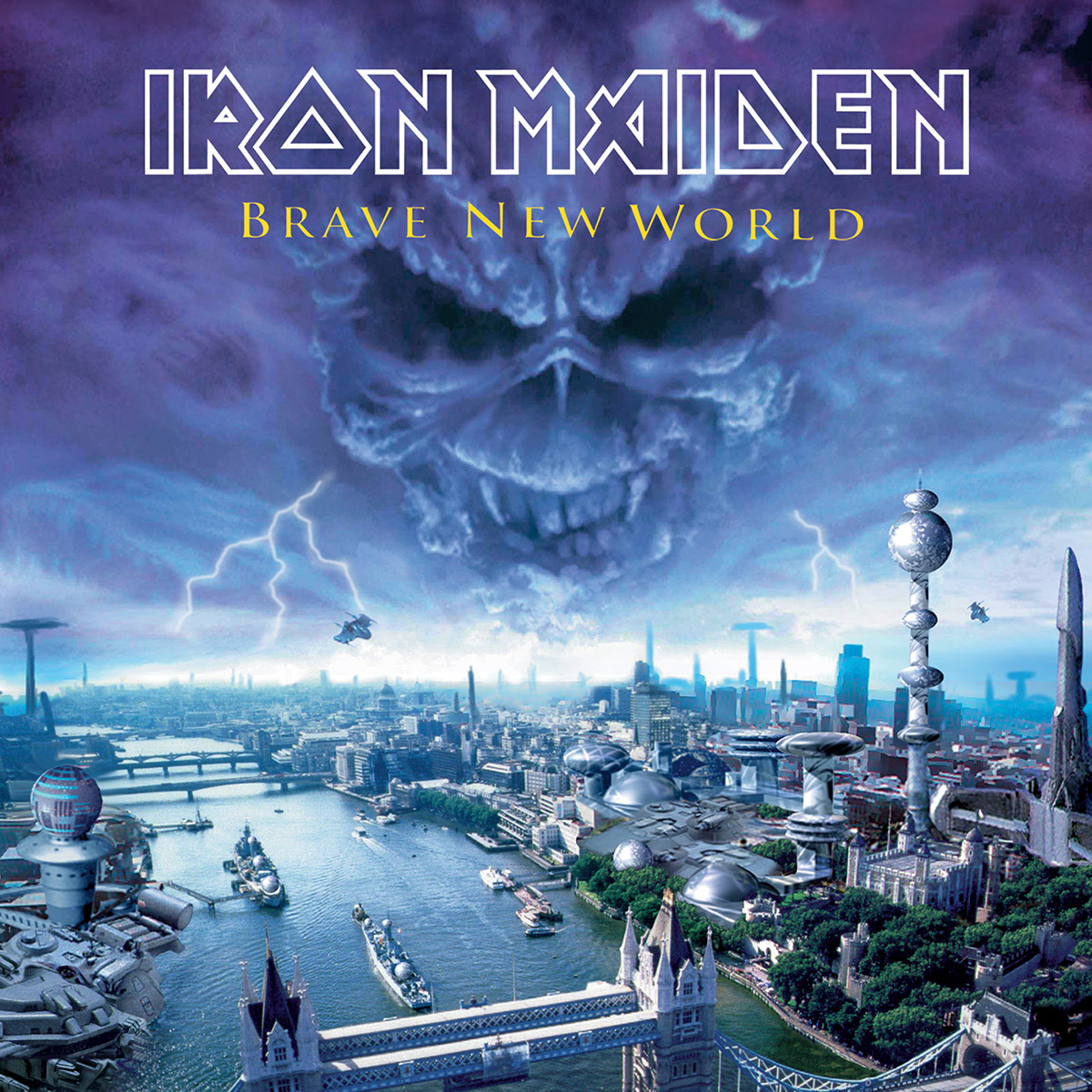
In 1999, Bruce Dickinson and guitarist Adrian Smith returned to the band, forming the now-legendary six-member lineup. The reunion album Brave New World was critically acclaimed and marked a creative rebirth.
Subsequent albums such as Dance of Death, A Matter of Life and Death, The Final Frontier, The Book of Souls, and Senjutsu reaffirmed Iron Maiden’s status as one of the most influential heavy metal bands in history.
Today, Iron Maiden continues to headline festivals worldwide, selling out stadiums and inspiring generations of metal fans with their uncompromising dedication to music and performance.